
How Darby Junior High Built a Decade-Long PBIS Culture – and Cut Referrals by 70%
When school counselor Cherri Byford championed LiveSchool at Darby Junior High, the school was drowning in paper bucks and climbing discipline numbers. Over a decade later, referrals are down 70%, teachers run their own reward stores, and the “one point, one comment” mantra is printed on every staff lanyard.
“One point, one comment. Not 200 points, no comment.”
On this page
Watch the Story
Paper Bucks and Rising Numbers
Before LiveSchool, Darby ran a paper voucher system. Teachers handed out physical “Darby Dollars” for positive behavior – volunteer work, completing extra credit, following expectations. Students collected the bucks and exchanged them at a concession-stand-style store during lunch.
The system had obvious problems. Paper bucks fell apart in backpacks, got traded between students, and were nearly impossible to track. Administrators had no way to see which teachers were reinforcing behavior or which students were falling through the cracks. Meanwhile, discipline numbers kept climbing.
At a staff meeting, the team began exploring Positive Behavioral Interventions and Supports. The framework made sense, but they needed a tool that could sustain it. Cherri Byford, the school counselor, became the champion who would carry LiveSchool from pilot to permanent fixture.
The Counselor Who Ran the Store
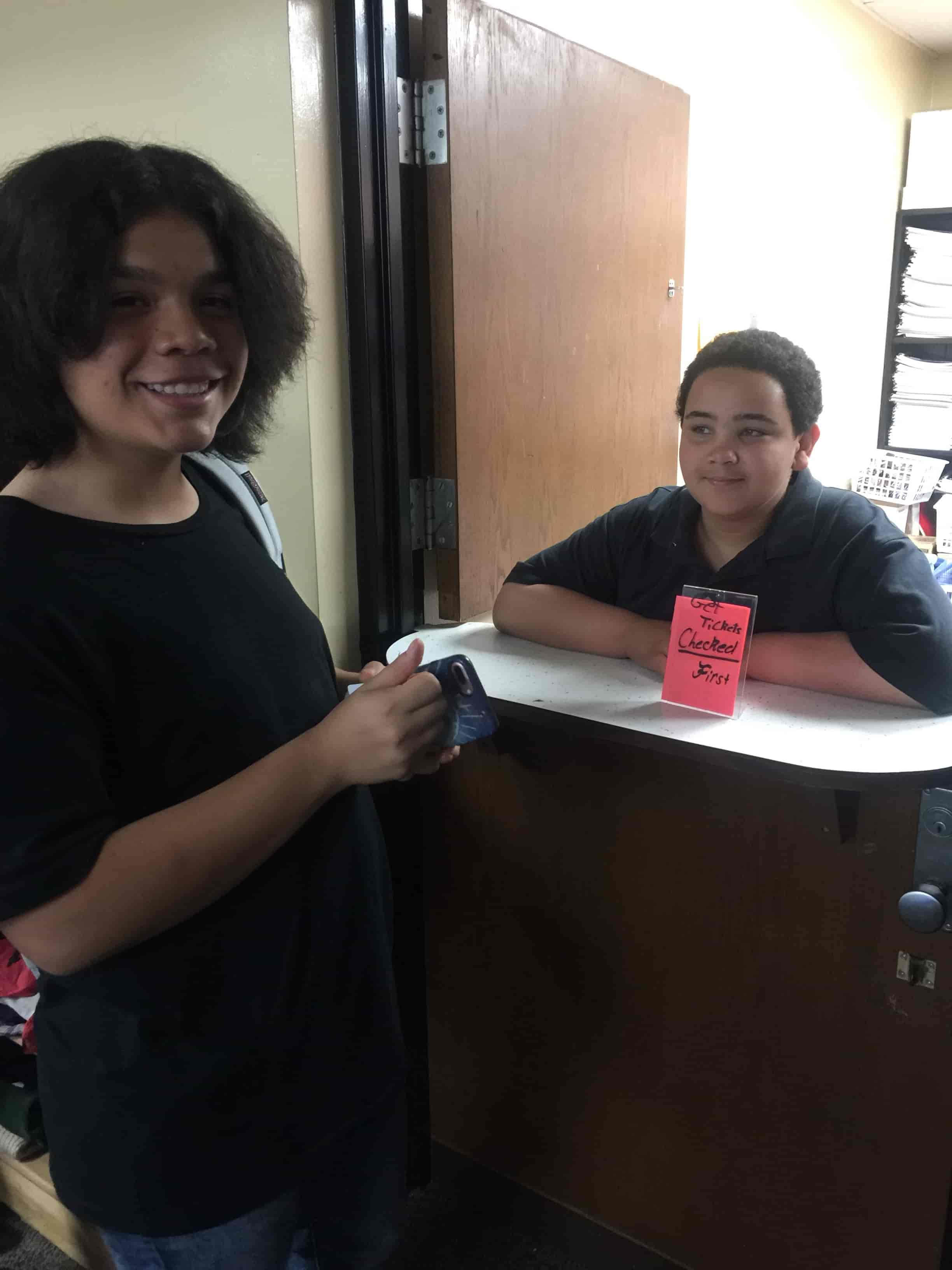
Byford took ownership of the rollout and made herself the face of the program. She monitored the dashboard daily, tracked which teachers were engaging, and provided one-on-one support for anyone who was struggling. For the teachers who used LiveSchool the most, she reinforced their effort – treating teacher buy-in the same way PBIS treats student behavior.
She also ran the school store personally. In the early years, that meant wheeling a cart of inventory into the hallway, splitting everything into thirds so one lunch period wouldn’t clean out the stock before the next, and funneling sixty students through a thirty-minute window. She even had students buy a place in line just to keep the flow moving.
The logistics were unsustainable, but Byford kept iterating. She customized LiveSchool’s settings throughout the first year, adjusted pricing based on what she learned about supply and demand, and built a system that worked across all grade levels. By year two, the results were undeniable.
Seventy Percent Fewer Referrals
In the years before LiveSchool, Darby logged approximately 3,750 office discipline referrals. By the second year with the platform, that number dropped to 1,125 – a 70% reduction. Disciplinary actions continued trending downward in the years that followed, and the school saw improvements in test scores and a decrease in summer school enrollment.
The data also revealed stories that raw numbers couldn’t. One student had been persistently disrupting a specific teacher’s class. Through LiveSchool’s behavior tracking, the team identified that the student was dealing with issues at home. After getting the attention he needed, his behavior completely turned around. The teacher who had struggled with him most eventually gave him 100 LiveSchool points for his transformation – and the two became close.
That kind of insight was impossible under the paper system. With LiveSchool, administrators could see patterns across classrooms, identify which students needed intervention, and ensure every teacher was consistently reinforcing positive behavior.
Experiences Over Things
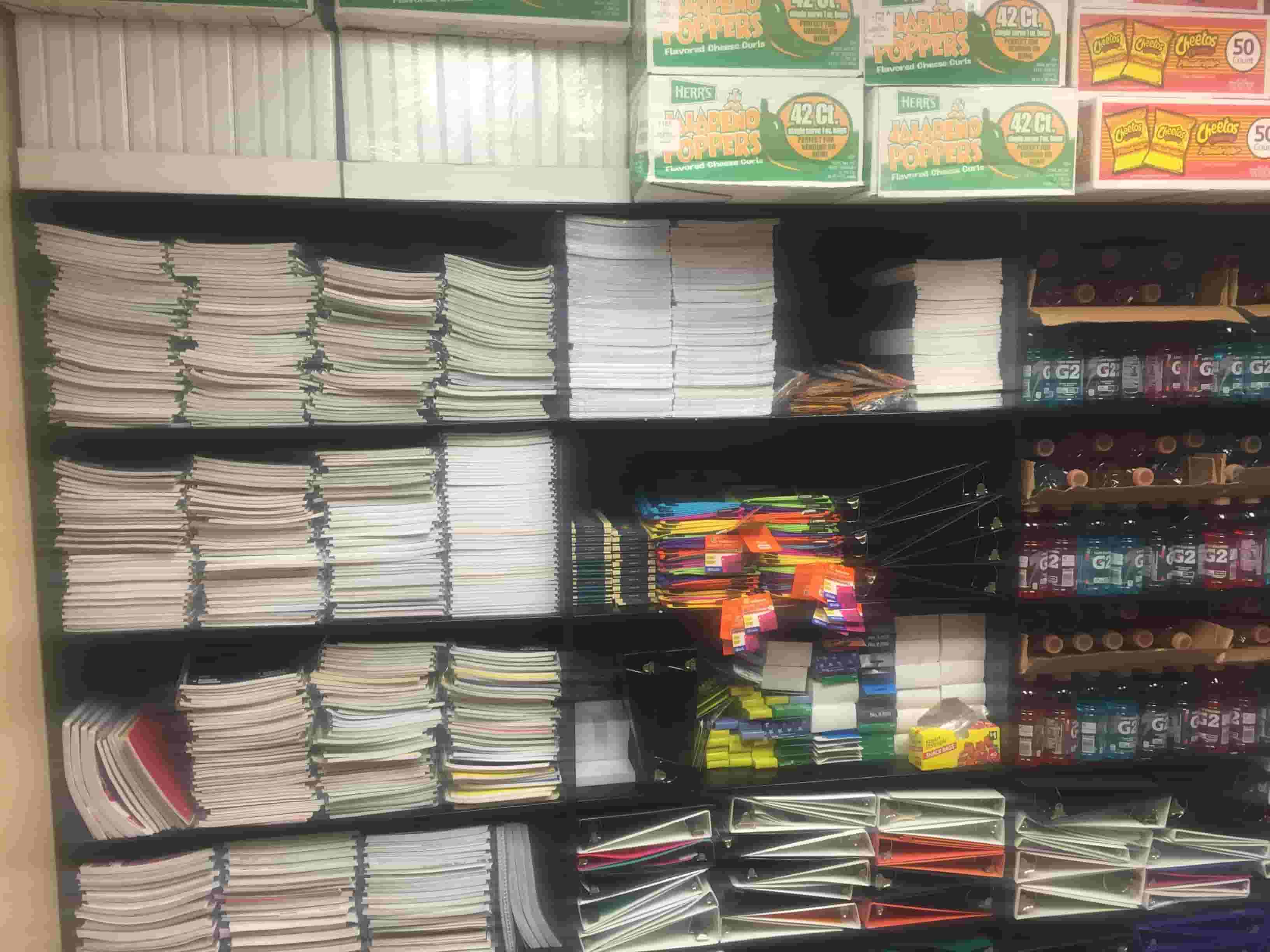
Over the years, Byford noticed a consistent pattern: experiences outsold physical items every time. The number-one teacher reward at Darby is “sit with a friend” – free, simple, and the most requested item in every teacher’s store. The top school-store reward is a front-of-the-line pass, which a student designed and illustrated himself.
One teacher found a creative solution for her classroom store: a mystery treasure box. Students buy raffle tickets without knowing the prize, she spins the LiveSchool random student generator, and the winner takes the mystery item. She only stocks one prize per week but sells dozens of raffle tickets each period.
The tangible side of the store has evolved too. Byford became known for her twenty-point Snicker bar – which eventually doubled to forty points as demand rose. The school has since moved away from food rewards with no pushback from students or staff. Today the shelves carry smelly pencils, color-changing pens, backpack keychains, stress balls, and fidgets. A partner in education funds the Amazon orders; Byford sends the links and the boxes arrive at her office.
One Point, One Comment
After a decade of managing the point economy, Byford developed a philosophy that keeps the entire system in balance: one point, one comment. Every teacher carries the mantra on a card clipped to their lanyard. They even have a cheer for it.
The idea is straightforward. When a teacher recognizes a student, they choose one specific behavior, write one comment explaining what the student did well, and award one point. No inflating balances with bulk points. No skipping the comment to save time. The comment is what students actually care about – they track and compare the feedback they receive far more than the number next to it.
The approach solves a problem that plagues many schools’ point economies: inflation. When some teachers give 200 points a day and others give 10, pricing becomes impossible and the store loses meaning. With everyone on the same page, Darby’s prices stay stable year over year, and no student ends up with an unreachable gap between their balance and the next reward.
Byford monitors student bank accounts to calibrate pricing – high enough that students have to reach a little, low enough that the goal never feels unattainable. She can spot the spenders and the savers as early as sixth grade, watching some students cash out the moment they hit two points while others stockpile all year for the holiday silent auction or end-of-year blowout.
From Concession Stand to Digital Storefront
The school store has gone through multiple incarnations over Darby’s decade-plus with LiveSchool. What started as a cart in the hallway became a concession stand, and eventually moved fully digital when LiveSchool launched its store feature.
Today, students browse and purchase items on their Chromebooks through Clever. Byford uploads photos and descriptions of every item so students know exactly what they’re getting. The store stays open all day – students buy whenever they want, then pick up their items during lunch in the counselor’s office. Students sometimes help with fulfillment, handing out orders alongside the counseling staff.
The biggest change is that teachers now run their own stores alongside the school-wide one. Each teacher stocks their classroom store with rewards that fit their students – many of which cost nothing. Byford rewards the highest-participating teachers by letting them shop from her office inventory for their stores. The system practically runs itself, and teachers who were once skeptical have become advocates, their own success stories filtering through to holdouts.
As Byford puts it: after more than ten years, LiveSchool isn’t a program at Darby. It’s just part of the culture.
More stories you might like
How Taylor Middle School Went from Zero Positive Data to 98% Attendance
Once labeled one of the worst middle schools in the community, Taylor Middle School in Lovington, New Mexico rebuilt its culture through five years of PBIS implementation. The school now awards over 163,000 points per year, has 94% of staff actively recognizing students, and holds approximately 98% daily attendance.
How Bate Middle School Cut Referrals by 81% by Leading with Positivity
When JD Smith became assistant principal at Bate Middle School, he and new principal Michelle Carver made a bet on culture. Two years later, referrals dropped from 687 to 131, out-of-school suspensions fell from 152 to 18, and an anonymous state survey showed a 46-percentage-point increase in teachers' confidence managing student behavior.
How Creekside Middle School Discovered 83% of Its Students Were Doing Everything Right
Principal Kari Franchini knew the paper discipline system at Creekside Middle School was broken – students signing binders, teachers hand-counting slips during planning periods. When she switched to LiveSchool and ran the first year-end report, the data revealed something the staff had never seen: 83% of their 1,200 students had zero demerits all year.