
How Maple Park Middle School Built a Student Economy Around the Big Three Rs
Dr. Allegri’s team didn’t rush a schoolwide rollout. They started in one classroom, collected data for a quarter, secured a district grant, and built a Viking-themed economy – complete with a weekly Vault, quarterly auctions, and a Friday Night Live dance – that moved over half a million points in a single event.
“Our last auction saw over 500,000 points debited from LiveSchool, so it was a huge success.”
On this page
One Classroom First
Dr. Allegri and her PBIS team didn’t ask the entire staff to adopt LiveSchool on day one. Instead, they chose a single classroom for a quarter-long pilot. That teacher tracked behavior data in LiveSchool and gathered direct feedback from students – building a case that the district couldn’t ignore.
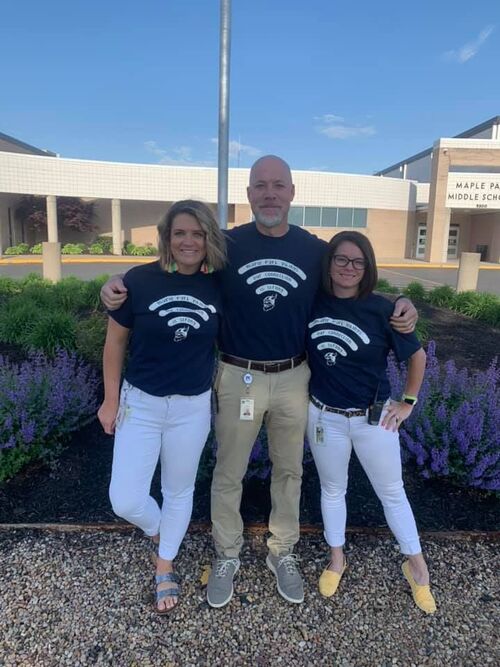
The data from that one classroom became the foundation of a grant application. Maple Park received the funding and expanded LiveSchool to every class shortly after. Dr. Allegri credits two factors for the smooth rollout: significant teacher involvement from the start, and consistent follow-up from the administration to keep momentum going.
The Big Three Rs
Maple Park’s behavior framework centers on three core values: Ready, Respectful, and Responsible. The school maps these values across five spaces where students move throughout the day – the hallway, cafeteria, classroom, restroom, and bus.
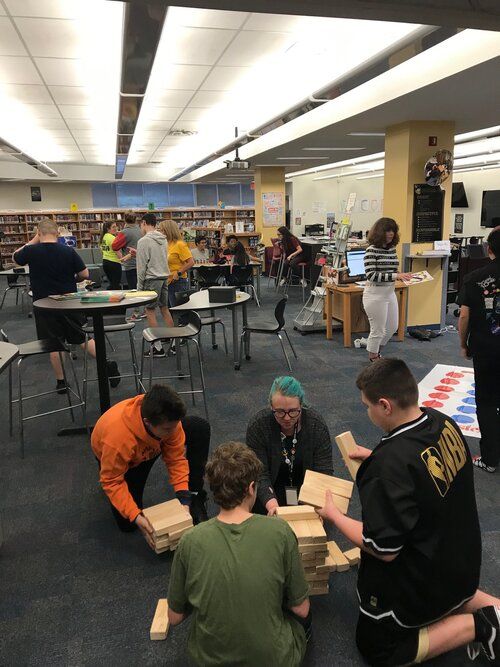
Each month, teachers lead a PBIS lesson focused on one overarching skill – getting to class on time, preparedness, or another behavior tied back to the Big Three. Before LiveSchool, reinforcing those monthly initiatives was more than paper-based tracking could handle. With the digital system, teachers award points in real time on their iPads, and students can see their balances update instantly.
The staff also made a deliberate decision about negative behaviors: demerits are recorded internally but never subtracted from a student’s point balance. The economy runs on what students earn, not what they lose.
From Paper Tickets to Tablets
Before LiveSchool, Maple Park ran a paper voucher system. Teachers handed out physical tickets for positive behavior, and students collected them toward rewards. In theory it worked. In practice, tickets got lost, borrowed between students, and were nearly impossible to track accurately.
The switch to LiveSchool solved the logistics problem overnight. Every educator and student at Maple Park already had an iPad, so the transition was natural. Teachers distribute points directly through their tablets during class, and students watch their balances grow in real time – immediate feedback that paper tickets could never provide.
The Viking Vault
Maple Park’s reward system is built around a Viking theme – fitting for a school whose mascot demands it. The centerpiece of the weekly economy is the Viking Vault, the school’s reward store that opens once a week.
The team streamlined the process: students place orders online through a survey tool, and the student council handles delivery. No lines, no chaos – just a weekly rhythm that students look forward to.
Individual teachers also run their own reward menus alongside the Vault. Some offer ten free minutes on the iPad. Others stock headphones or small classroom privileges. The flexibility means each teacher can offer what feels right for their students while staying inside the same point economy.
Every quarter, Maple Park hosts Friday Night Live – a two-hour school dance on a Friday evening. Students can pay the cover with cash or redeem their LiveSchool points. It’s one more reason to save, and one more reason to earn.
The Viking Auction
The biggest event on Maple Park’s calendar is the Viking Auction, held once a quarter. The school puts out over 150 items – 75 for each grade – chosen based on direct feedback from the students. The prizes range from Champion socks and Bluetooth headphones to oversized candy bars.
The scale tells the story: Maple Park’s last auction saw more than 500,000 points debited in a single event. Students who had been saving all quarter finally cashed in, and the energy in the room reflected months of accumulated effort.
The most popular rewards, in order:
- Hot Cheetos
- Lava lamps
- Oversized plushies
- Airheads
The auction does something the weekly Vault can’t: it teaches budgeting at scale. Students learn to weigh small weekly purchases against the quarterly jackpot, deciding whether to spend now or hold out for something bigger. It’s financial literacy without the lesson plan.
Data That Drives the Plan
Maple Park’s educators meet every month to review LiveSchool data together. The numbers inform their PBIS lesson plans – if the data shows a spike in hallway incidents, the next month’s lesson targets hallway behavior. If a teacher needs more support with the system, administrators can see it in the usage patterns and step in.
The result has been a noticeable shift in student behavior, particularly around preparedness for class and building safety. The system gave Maple Park something their paper tickets never could: a clear, trustworthy picture of what’s working and what needs attention.
More stories you might like
How Taylor Middle School Went from Zero Positive Data to 98% Attendance
Once labeled one of the worst middle schools in the community, Taylor Middle School in Lovington, New Mexico rebuilt its culture through five years of PBIS implementation. The school now awards over 163,000 points per year, has 94% of staff actively recognizing students, and holds approximately 98% daily attendance.
How Heritage Middle School Turned Behavior Data into Videos, Scavenger Hunts, and a Nacho Bar
At Heritage Middle School in Liberty, Missouri, a 10-person PBIS committee meets monthly to dig into discipline data – then spends no more than seven minutes looking at it before shifting to action. They pick one behavior at a time, involve students in creating the solutions, and reward the results with zero-cost experiences like three-on-three tournaments and scavenger hunts designed by eighth graders. Principal Reagan Allegri trusts the committee to run the program and the students to own the culture.
How Peeples Middle School Logged 2 Million Points and 5,500 Rewards in One Year
Four years into PBIS with paper bucks and spreadsheets producing no usable data, Peeples Middle School in Jackson, Mississippi switched to LiveSchool and recorded 2 million points in a single school year. A physical school store moved 5,500 rewards, a local hospital contributed $1,500 annually, and the school maintained a 4:1 positive-to-negative feedback ratio.