
Building School Buy-In: How Two Chicago Public Schools Turned Simple Routines Into Classroom Momentum
Two Chicago Public Schools share how consistent classroom routines helped build student buy-in, improve behavior, and strengthen school culture.
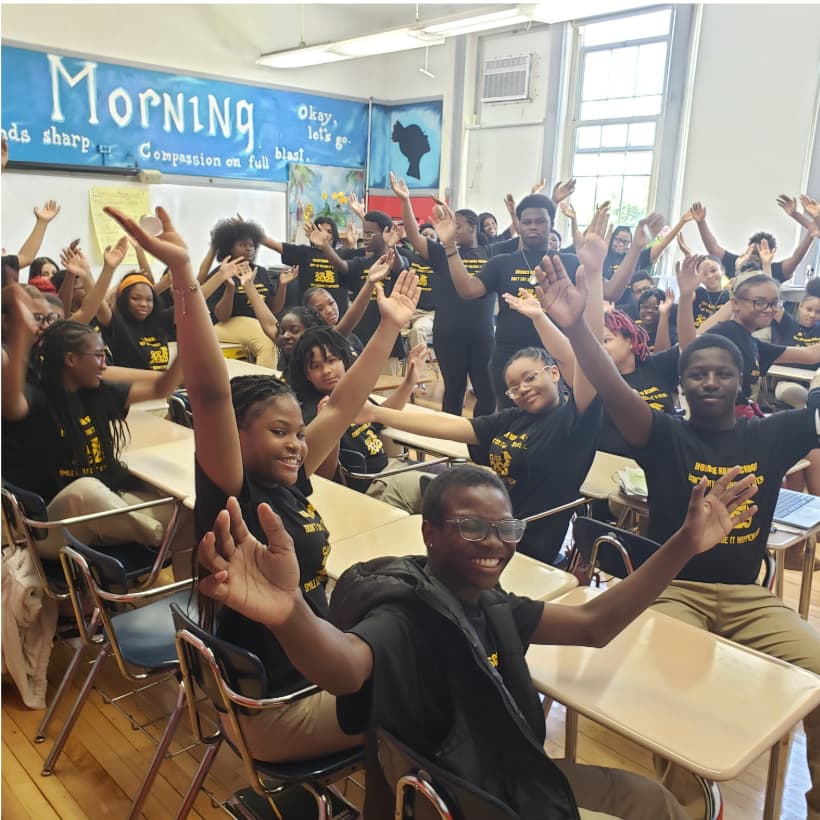
Buy-In Doesn’t Start With Rewards. It Starts With Consistency.
Every school wants student buy-in. But buy-in doesn’t happen because a new system is introduced. It happens when students experience the same expectations, routines, and reinforcement every day.
That was the focus of a recent LiveSchool session featuring two Chicago Public Schools educators:
- Jose Martin Montoya Dura, a K–8 Spanish teacher
- Marquetta Foote, a third grade teacher at John T. Perry Fine Arts and Academic Center
Their classrooms look completely different. But both discovered the same truth: Real classroom routines need to focus on clarity, consistency, and student ownership. When those three things are present, behavior shifts.
The Challenge: Building Buy-In Across Classrooms
Laura Litton, who leads the Success team at LiveSchool and previously worked in Chicago Public Schools as a teacher, instructional coach, and school leader, opened the session with a familiar problem. Many teachers are already using behavior systems. But those systems often break down when expectations differ between classrooms. Students notice the gap. And they test it.
“When your expectations aren’t consistent between your room and another room, students start to test boundaries between you and your colleagues.” — Laura
Teachers then spend more energy managing behavior instead of teaching. But when expectations are visible and reinforced across classrooms, the dynamic changes. Students begin to understand what success looks like.
A Traveling Teacher’s Reality
For Mr. Montoya, classroom management had a unique challenge. He teaches Spanish across multiple classrooms, from kindergarten through eighth grade. That means every period begins the same way: Walking into a room where another class was just learning. Computers need to be connected. Materials need to be set up. And students have time to drift.
Before introducing LiveSchool routines, that time often turned chaotic.
“I was spending a lot of energy asking students to be quiet and focus on the assignment.” — Jose
Transitions were difficult. Students weren’t always following directions. And too much instructional time was lost before lessons even began. So he redesigned the routine.
The Routine That Changed the Room
Today, the first few minutes of class run very differently. Students immediately begin a warm-up while Mr. Montoya sets up his materials. Then he projects LiveSchool. Students know what happens next. He selects students randomly to award points if they are:
- Prepared
- Sitting in their seats
- Quiet and focused
- Working on the assignment
If the room still feels scattered, he does another random point. Usually within two or three rounds, the entire class shifts. The moment they hear the random point sound, the room focuses. Instead of repeatedly asking students to settle down, the system encourages them to self-correct quickly.
Turning Instruction Into a Game
Mr. Montoya also built a classroom competition: Teacher vs. Students. His lessons are structured as mini-lessons with one concept per slide. He compares it to scrolling Instagram. One slide. One idea. Students earn points when they follow expectations during each slide. Each completed slide earns the class another point. That creates a powerful incentive. If students stay focused and they move through more slides. More slides, more learning. And more points.
Jose shared that students often feel like they are playing a game, but in reality they are learning and working.
When Students Start Coaching Each Other
One of the most powerful changes came from peer accountability. When one student interrupts the lesson, other students often step in. They remind their classmates to stay quiet. They want the class to continue earning points. That moment is where true buy-in appears. Students begin protecting the routine themselves.
Student Leadership Builds Another Layer of Buy-In
Mr. Montoya also assigns leadership roles. Some students serve as classroom captains. Others help distribute folders or track expectations. These roles are especially powerful for students who struggle with traditional behavior systems. Some students may not care about points. But they care about responsibility.
“When students are given responsibility, they engage immediately,” — Jose
Reflection Makes the System Stick
At the end of each class, Mr. Montoya pauses for reflection. Students review the final score of the Teacher vs. Students competition. If students win, they discuss why. If the teacher earned points because expectations were missed, they talk about that too. That conversation reinforces the behavior expectations behind the points. Students understand the connection between their actions and the outcome.
A Different Classroom, A Different Strategy
Ms. Foote’s classroom operates very differently. She teaches third grade, where students are still developing emotional regulation. Early in the year, awarding points throughout the day sometimes created tension for students who struggled with behavior. So she changed the approach. Instead of awarding points all day, she built a reflection routine at dismissal.
A Simple Reflection That Builds Accountability
At the end of each day, Ms. Foote asks students a simple question. Out of 15 possible points: How many points do you think you earned today?
Students reflect before answering. If the number seems too high or too low, they briefly talk through the day together. That conversation builds self-awareness.Students connect their behavior to their outcomes.
“Points often become the starting point for reflection,” — Marquetta
Why Achievable Goals Matter
Ms. Foote emphasizes one key rule: Goals must feel achievable. When goals feel impossible, students disengage. The “I don’t care” attitude often comes from students believing they cannot succeed. But when goals are realistic, motivation grows.
School-Wide Consistency Changes Everything
Both teachers emphasized one critical factor. Their systems work best when the entire school participates. If only one classroom uses a behavior system, students quickly notice. But when the entire building reinforces expectations, the culture shifts. Students understand that behavior expectations are consistent everywhere.
If You’re Starting From Scratch, Start Small
Both teachers shared the same advice. You don’t need a perfect system on day one.
Start with one routine:
- Morning entry
- Transitions
- Independent work time
- Dismissal
Consistency matters more than complexity. Once the routine becomes predictable, students begin to buy in.
The Real Outcome
For Mr. Montoya, the biggest change was energy.
“I don’t spend my energy on behavior anymore. I spend it teaching.”
For Ms. Foote, the biggest change was ownership.
Students now think about their behavior and how it affects their goals.
Two classrooms.
Two very different strategies.
One shared result.
Students bought in.
Ready to turn your own rewards program into a program the entire school buys into? See how LiveSchool’s Student Shopping can help you set up QR badges, add experience-based rewards, and let students take ownership.
Ready to build school buy-in?
Related posts
From Referrals to Relationships
Lisbon Middle used LiveSchool to connect students, staff, and families, cutting office referrals by 68%
“We Started With $0”: How Orr Learning Academy Built Buy-In, Behavior Growth, and Community Support
Orr Learning Academy built a $0 school store with community support to boost behavior and buy-in.
Recording: Tumbleweed Elementary shares their House system & how it cut referrals by 56%
Join principal Misti Larrick for a 30-minute webinar on how to improve school culture with a House System.