
“We Started With $0”: How Orr Learning Academy Built Buy-In, Behavior Growth, and Community Support
Orr Learning Academy built a $0 school store using no-cost rewards, Amazon wishlists, and twice-weekly shopping to transform behavior across K–12.
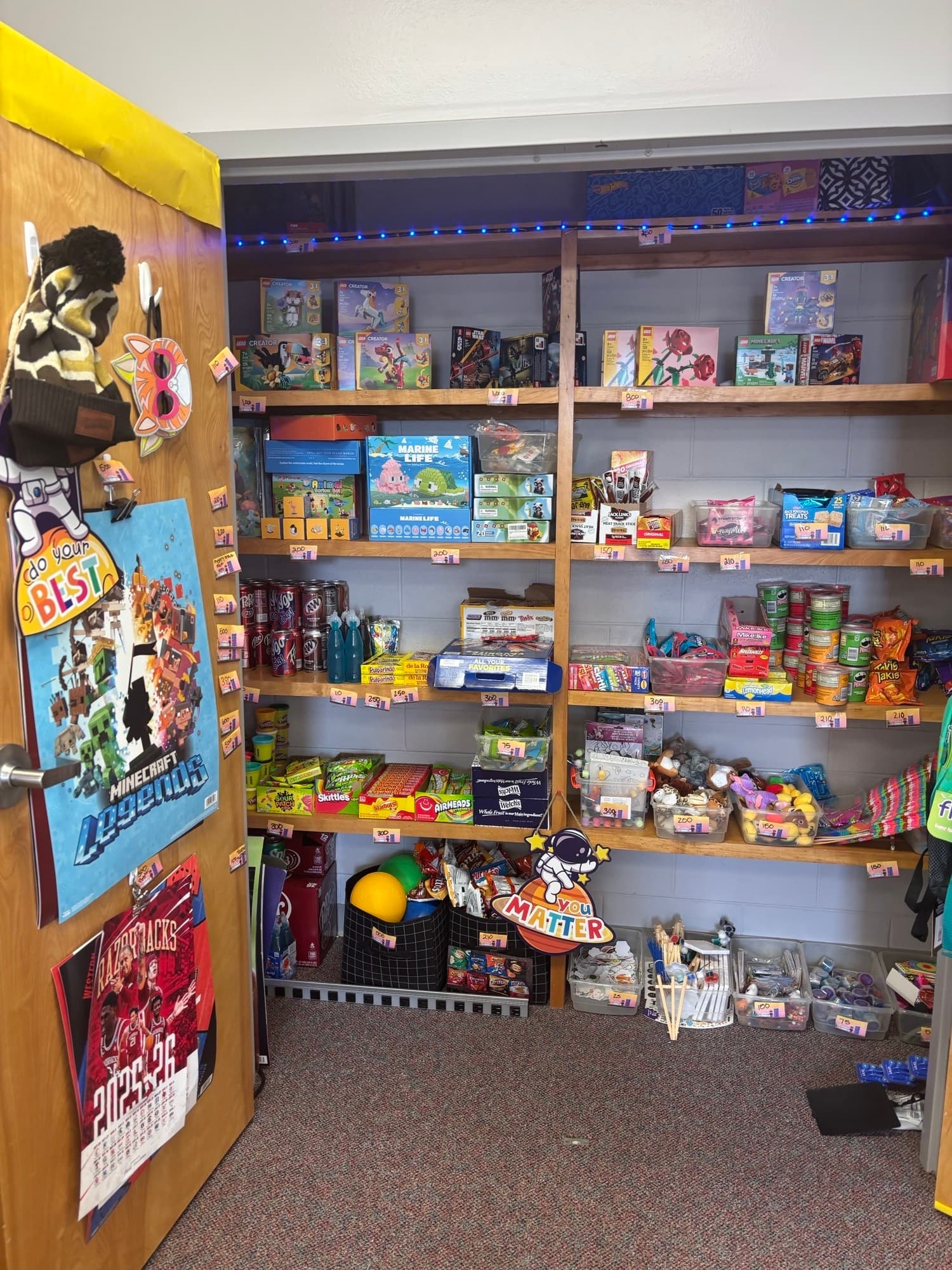
One Building. One Behavior System.
When Orr Learning Academy brought all of its alternative learning students, kindergarten through 12th grade, into one building, they knew behavior systems had to evolve.
Orr Learning Academy isn’t a traditional campus.
Every student is referred through a behavior process. Many arrive discouraged. Some are used to systems that feel entirely punitive.
So the team decided to try something different.
They built a school store.
And they started with $0.
“The store is probably our best thing we have going for us over here.” — Ryan Solley, Assistant Principal
What began as a small experiment has become a structured, twice-weekly rewards system that drives consistency, builds relationships, and motivates students across all grade levels.
Here’s how they made it work.
The Challenge: Create Motivation in a Behavior-First Setting
Orr Learning Academy serves 115 K–12 students in Fort Smith, Arkansas. Every student struggles in a traditional setting before being referred.
That means:
• Behavior systems must be clear
• Incentives must be consistent
• Sustainability is non-negotiable
“We didn’t want to start something and then tell kids we don’t have that anymore.” — Ryan
The Shift That Changed Everything: Twice-Weekly Shopping
Originally, students shopped once a week.
It wasn’t enough.
Midweek behaviors slipped.
So the team redesigned the rhythm:
• Secondary students shop Tuesdays and Thursdays
• Elementary students shop Wednesdays and Fridays
• Eligibility requires Level 4 or 5 behavior the previous day
“If you only do it once a week, behaviors can spiral. But if you have that middle-of-the-week motivation, it keeps things under control.” — Ryan
That small structural change created daily accountability.
Students now think in two-day goals:
Be focused today → Shop tomorrow.
It keeps momentum steady.
A K-12 Store That Works for Every Age
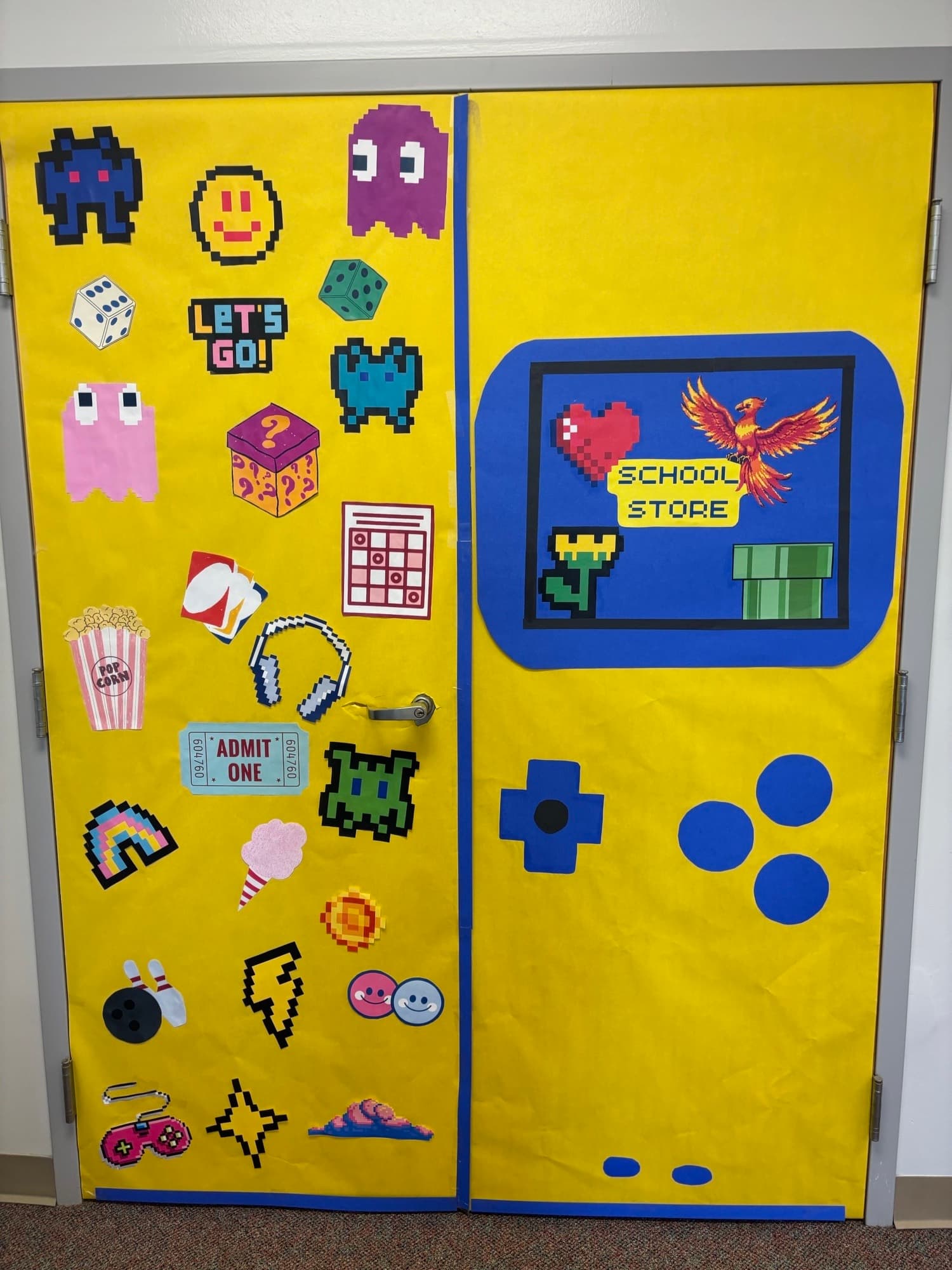
Running one store for kindergarten through 12th grade requires thoughtful logistics.
Orr Learning Academy uses a hybrid model.
For Secondary Students
• Students place online orders in LiveSchool
• Orders must be submitted by 9:00 AM
• Staff batch-package rewards
• Items are delivered near dismissal
Clear deadlines eliminated chaos and reduced interruptions.
For Elementary Students
Younger students need more immediacy and excitement.
So the team created a mobile rewards cart.
It includes:
• Decorative lights
• A small speaker with music
• Visible snacks and prizes
• A 3–5 minute timer to keep shopping efficient
“It’s a sense of excitement when the cart comes around.” — Ryan
That moment matters.
What Makes Orr Stand Out: No-Cost Rewards With High Impact
One of Orr’s most powerful discoveries?
Some of the most popular rewards cost nothing.
Top no-cost rewards include:
• Class swap
• VIP lunch
• Helping run the store
• Time with a favorite teacher
• Time with the School Resource Officer
Yes, students can use points to spend 15–20 minutes with the SRO:
• Touring the patrol car
• Turning on sirens
• Getting police stickers
• Even (playfully) handcuffing a favorite teacher
It’s relationship-driven, not material-driven.
This is a school that serves students with behavior referrals — and they chose connection as a reward.
That’s a standout move.
A Critical Rule: Once It’s Earned, It’s Earned
If a student buys a privilege but struggles behaviorally that day, they may not use it immediately.
But it is never taken away.
“We never take it from them. Once they’ve earned it, they’ve earned it.” — Ryan
That distinction shifts the system from punitive to restorative.
Funding the Store With $0: The Amazon Wishlist Strategy
The most common question schools ask:
How do you pay for inventory?
Orr’s answer is simple and repeatable.
They created an Amazon Wishlist.
Then they:
• Added specific items (exact Lego sets, specific snack brands)
• Shared the link on personal and school Facebook pages
• Set shipping directly to the school
“The more specific you can get, the more buy-in you get.”
Instead of saying “We’ll take anything,” they say:
We need:
• This lego set
• This box of Takis
• This Snack Pack
Helen emphasized that clarity was critical when they first started asking for help.
“We weren’t really seeing a lot of feedback when we just said we needed donations. But when we listed specific items, like the exact Lego set or the exact snack, people were much more willing to help.” — Helen Shondell
She also made sure donors understood why they were giving.
“Explaining that we’re a behavior school and that students earn these rewards for positive behavior made a big difference.” — Helen
That clarity increased donations dramatically.
They now receive:
• Walmart deliveries
• Sam’s shipments
• Distributor donations
• Gift cards from local businesses
They’ve even expanded rewards to include staff recognition because of the donation volume.
That’s growth.
The Reinforcement Survey: Stop Guessing What Students Want
Instead of asking open-ended questions like “What do you like?” the team uses a structured reinforcement survey.
Students check specific options, including:
• Social reinforcers
• Academic reinforcers
• Adult recognition
• Peer time
• Tangible items
This created clarity across K–12.
It also allowed the team to:
• Price high-demand items higher
• Encourage long-term saving
• Balance tangible and intangible rewards
Richard Brown pushed the team to stop guessing and start asking direct questions.
“What are you willing to work for?” — Richard Brown
That simple shift reframed the store from something adults designed for students into something built with them.
Smart Operations Reduce Conflict
Two operational habits stand out:
1. Inventory Is Updated Immediately
If something is out of stock, it’s marked out of stock in LiveSchool.
No surprises. No blow-ups.
2. Timers Keep Younger Students Focused
Three to five minutes to shop.
Structure prevents overwhelm.
These small systems protect staff time and student trust.
An Unexpected Outcome: Students Hold Teachers Accountable
When students care about points, they check them.
If points aren’t posted, they ask.
That accountability improved consistency across classrooms.
Teachers explain why points were earned, or not earned.
Transparency increased buy-in.
From Punitive to Praise
Orr Learning Academy serves students who are often accustomed to discipline-first environments.
The store created a cultural shift.
“We don’t want everything to be punitive. We want to reward good behavior.” — Ryan
Now students:
• Save for Legos
• Buy snacks for siblings
• Help distribute items
• Work toward privileges
• Coach themselves back after tough days
Even students who initially resisted eventually joined when they saw peers leaving with rewards.
That’s social proof at work.
If You’re Starting With $0, Do This First
Orr’s advice:
- Launch no-cost rewards immediately
- Create an Amazon Wishlist today
- Be extremely specific in donation requests
- Use a reinforcement survey
- Shop twice per week for consistency
- Never take away what’s been earned
You don’t need a grant.
You need:
• Structure
• Consistency
• Relationships
• Follow-through
Why This Model Works
Orr Learning Academy stands out because they:
Run a true K–12 unified store
Operate on a twice-weekly rhythm
Built a sustainable $0 funding model
Lean heavily into relationship-based rewards
Protect student dignity by honoring earned privileges
This is so much more than a prize closet.
It’s a powerful culture system.
Ready to Build a $0 School Store?
You don’t need a large budget.
Orr Learning Academy proves that when rewards are consistent, relational, and sustainable, behavior follows.
And it can start with $0.
Related posts
Building School Buy-In: How Two Chicago Public Schools Turned Simple Routines Into Classroom Momentum
Two CPS teachers share how simple, consistent routines create stronger classroom culture and student accountability
From Referrals to Relationships
Lisbon Middle used LiveSchool to connect students, staff, and families, cutting office referrals by 68%

Recording: Tumbleweed Elementary shares their House system & how it cut referrals by 56%
Join principal Misti Larrick for a 30-minute webinar on how to improve school culture with a House System.